
Our team combines financial, investment and structuring capabilities with some of the world’s leading design, innovation and engineering minds to create superior investment value.

“The vast majority of existing offices in Europe are at high risk of obsolescence and do not meet the sustainability standards required by tenants, investors and lawmakers.”Giovanni Gregoratti, Co-founder
We believe that real estate is evolving rapidly to catch up with changes in society, work and technology, and we aim to be at the forefront of it in order to anticipate product, occupational and investment trends.
The opportunity is in the existing stock: well-located, structurally sound buildings that no longer meet what occupiers, investors and regulators expect. Our strategy is to acquire such assets and re-imagine them as sustainable, technology-enabled workplaces, capturing the value gap between what a building is and what it could be.
“Incentives for architecture and capital are often misaligned. This is why we decided to launch IQON as a joint venture linking the worlds of design and finance.”Carlo Ratti, Co-founder
Deep relationships across European real estate, complemented by research-led screening of locations and buildings, to find assets where design can make the difference.
Institutional discipline in structuring, financing and risk. Every design ambition is tested against occupier demand and exit value before we commit.
Redesign, retrofit and recycle with CRA-Carlo Ratti Associati: low-carbon refurbishment, healthier and more flexible space, and the responsive technology that occupiers now expect.
Lease, stabilise and hand over buildings that are ready for the next decade of work, to occupiers and institutional owners who value what has been created.
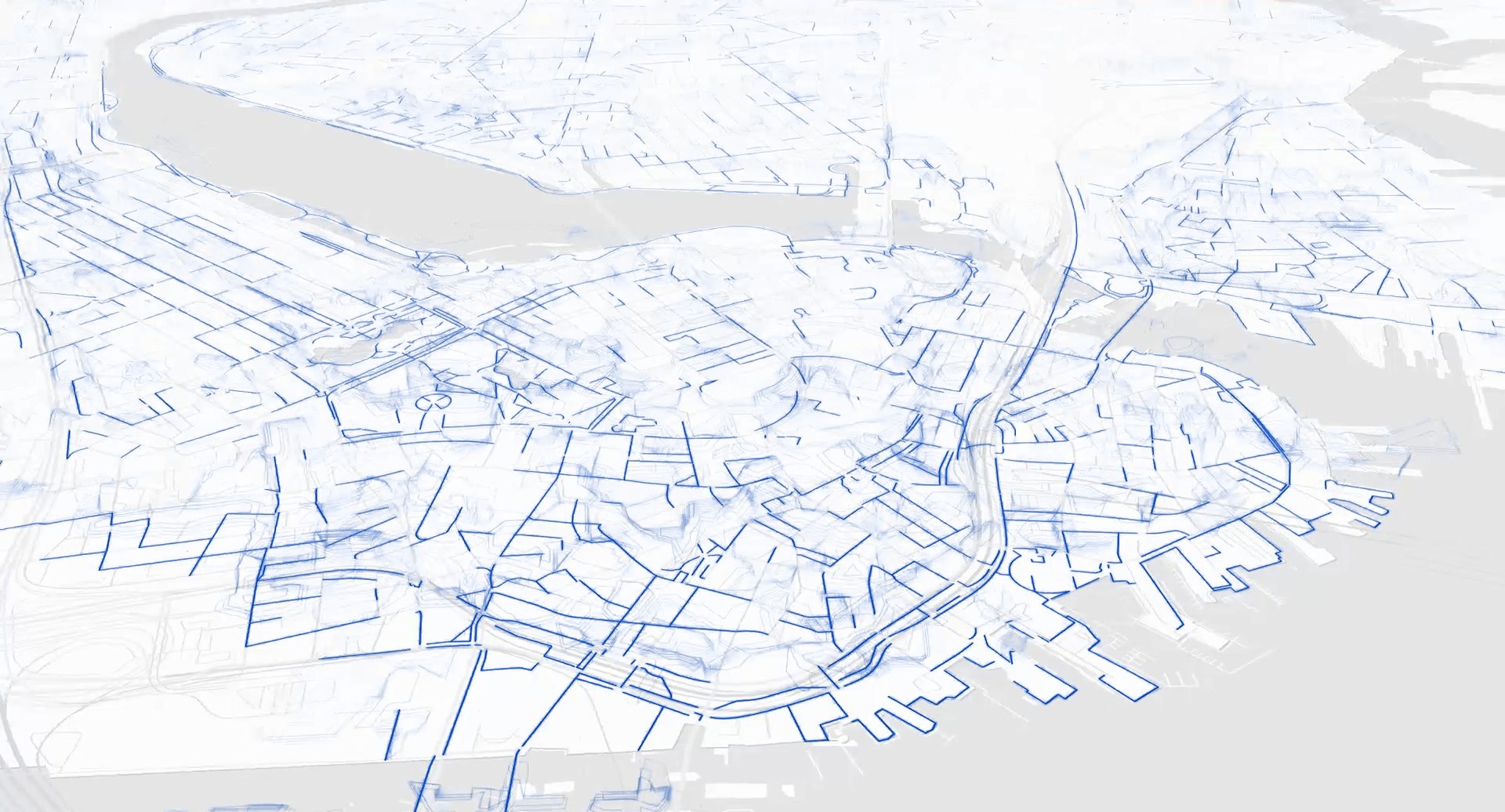
We have privileged access to cutting-edge academic research to support our investment decisions and value-creation strategies. Through the work of the MIT Senseable City Lab and CRA, we bring an understanding of how people actually use buildings and cities, from accessibility and amenity to occupancy and energy, into how we evaluate every opportunity.
This complements, rather than replaces, conventional market analysis. Comparable evidence, occupier demand and capital markets remain the foundation of every decision; urban data tells us what the comparables cannot.